
Introduction
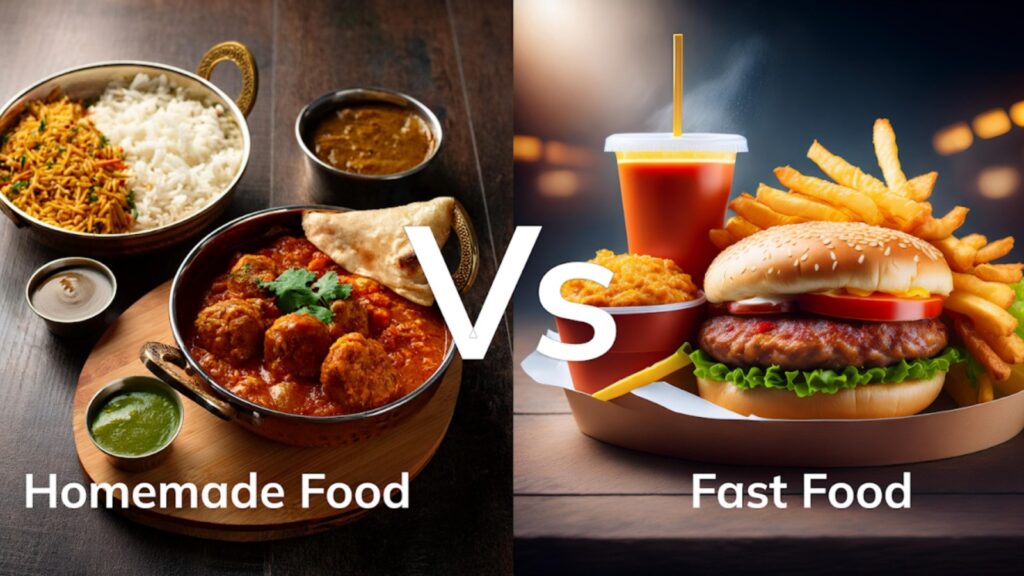
Fast Food vs Homemade Food In today’s fast-paced world, food has become more than just a necessity – it’s a lifestyle choice. With busy schedules, many people rely on fast food because it is quick, tasty, and easily available. On the other hand, homemade food is seen as the healthier, more traditional option that provides complete nourishment.
The debate between fast food vs homemade food is not new. While fast food offers convenience, it often comes with hidden health risks such as high calories, excess fats, and preservatives. Homemade food, however, is prepared with fresh ingredients, controlled portions, and love, making it a better choice for long-term health.
So, which one should you prefer? Let’s explore the differences, health impacts, and benefits of fast food and homemade food to understand which is truly better for a healthy lifestyle.
🍔 Fast Food vs Homemade Food – Which Is Better for You?
In today’s busy lifestyle, food choices often come down to convenience vs. health. On one hand, we have fast food—quick, tasty, and easily available. On the other, homemade food—fresh, wholesome, and often considered healthier. But which one is actually better for you?
This blog explores the differences, benefits, drawbacks, and long-term impact of fast food and homemade food, helping you make smarter decisions for your health and lifestyle.
What Is Fast Food?

Fast food refers to meals that are quickly prepared, mass-produced, and served at restaurants or outlets. It usually includes items like:
- Burgers, pizzas, fries
- Fried chicken, wraps, and nuggets
- Soft drinks and milkshakes
These foods are designed for speed and taste, often high in calories, fats, sugar, and sodium.
What Is Homemade Food?
Homemade food is cooked at home using fresh ingredients. It can include:
- Traditional Indian meals (dal, rice, roti, sabzi)
- Balanced meals with proteins, veggies, and grains
- Soups, salads, and home-style snacks
Homemade meals offer more control over ingredients, portion sizes, and cooking methods, making them healthier in most cases.
Fast Food – Advantages & Disadvantages
Advantages:
- Quick & Convenient – Saves time for busy lifestyles.
- Easily Available – Found in every city and town.
- Affordable Options – Budget-friendly combos and meals.
- Variety of Choices – Burgers, pizzas, fried snacks, beverages.
Disadvantages:
- High in Calories & Fats – Leads to obesity if eaten regularly.
- Excessive Sodium & Sugar – Increases risk of high blood pressure and diabetes.
- Low Nutritional Value – Lacks essential vitamins and fiber.
- Addictive Nature – Processed ingredients make you crave more. Homemade Food – Advantages & Disadvantages Advantages:
- Healthier Ingredients – Fresh veggies, whole grains, lean meats.
- Hygienic & Safe – You control cleanliness and preparation.
- Balanced Nutrition – Customizable portions of carbs, protein, fats, and fiber.
- Cost-Effective – Much cheaper in the long run.
- Family Bonding – Cooking and eating together strengthens relationships. Disadvantages:
- Time-Consuming – Requires preparation, cooking, and cleaning.
- Effort Needed – Not ideal for people with busy schedules.
- Limited Variety (sometimes) – Unless you experiment with recipes.
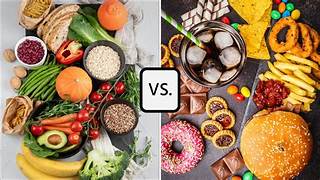
Nutritional Comparison : Fast Food vs Homemade Food
| Factor | Fast Food 🍔 | Homemade Food 🏠 |
|---|---|---|
| Calories | High (fried & processed) | Controlled (balanced diet) |
| Fat Content | High (trans/saturated) | Healthy fats (ghee, oils) |
| Sodium | Excessive (salty fries) | Moderate |
| Sugar | High (soft drinks) | Controlled |
| Fiber | Very Low Fruits and vegetables (high) | |
| Vitamins/Minerals | Often missing | Naturally present |
| Cost | Moderate to High | Lower overall |
| Hygiene | Varies by outlet | High (home control) |
Health Impact – Long Term
- Fast Food (Regular Consumption):
- Weight gain & obesity
- Diabetes Type 2
- Heart diseases & cholesterol issues
- Digestive problems
- Homemade Food (Regular Consumption):
- Better weight management
- Stronger immunity
- Balanced nutrition
- Reduced risk of chronic diseases
Which Is Better?
While fast food is okay occasionally, relying on it daily can harm your health. Homemade food is the clear winner for long-term well-being.
If you’re busy, a smart approach is:
- Eat homemade meals as your main diet.
- Enjoy fast food occasionally as a treat.
Balance is the key!
FAQs – Fast Food vs Homemade Food
- Is fast food always unhealthy?
Not always, but most fast foods are high in calories, fats, and sodium. - Can fast food be eaten daily?
No, it may lead to obesity, heart disease, and diabetes if consumed regularly. - What are the healthiest fast food options?
Grilled sandwiches, salads, wraps, and baked items are better than fried ones. - Why is homemade food considered healthier?
Because it uses fresh ingredients, balanced portions, and controlled oils/spices. - Is homemade food cheaper than fast food?
Yes, cooking at home is more cost-effective in the long run. - Can fast food cause obesity?
Yes, frequent consumption of fried and high-calorie fast food can lead to obesity. - How often should I eat fast food?
Ideally, once a week or less. - Does homemade food improve digestion?
Yes, because it includes more fiber-rich ingredients. - Which is better for children – fast food or homemade food?
Homemade food, as it supports growth and provides balanced nutrition. - Can fast food be part of a balanced diet?
Yes, but only occasionally and when paired with healthy meals. - Is it safe to eat fast food during pregnancy?
Not recommended; homemade food is safer and more nutritious. - Why do people prefer fast food despite health risks?
As a result of its quickness, convenience, and deliciousness. - Does fast food affect mental health?
Studies suggest excessive junk food may increase risk of depression. - What’s the biggest disadvantage of homemade food?
It takes time and effort to prepare. - Can homemade food taste like fast food?
Yes, with the right recipes and spices, you can make healthier versions at home. - Is street food healthier than fast food?
Not always; hygiene can be questionable. - How can I reduce fast food cravings?
Eat regular homemade meals, drink water, and include fruits/snacks. - What are the healthiest oils for cooking at home?
Olive oil, mustard oil, and cold-pressed oils. - Is it possible to lose weight while eating fast food?
Very difficult; homemade balanced meals are better for weight loss. - Which is better for long-term health – fast food or homemade food?
Homemade food, without doubt. Final Verdict
If your goal is better health, energy, and long life, homemade food is the best choice. Fast food can be enjoyed occasionally but should never replace regular meals.
Pingback: 10 Must-Try Fast Food Snacks for Every Party | Snack Ideas
Pingback: 10 Different Varieties of The BBQ Place Menu Items You | HYD
Thank you. very much
Pingback: Is the Birthday Cake Free at The BBQ Place in Manikonda?
thans
Pingback: Juicy Burger Recipe at Home | Easy & Delicious Homemade Burgers
thank you so much