
Introduction
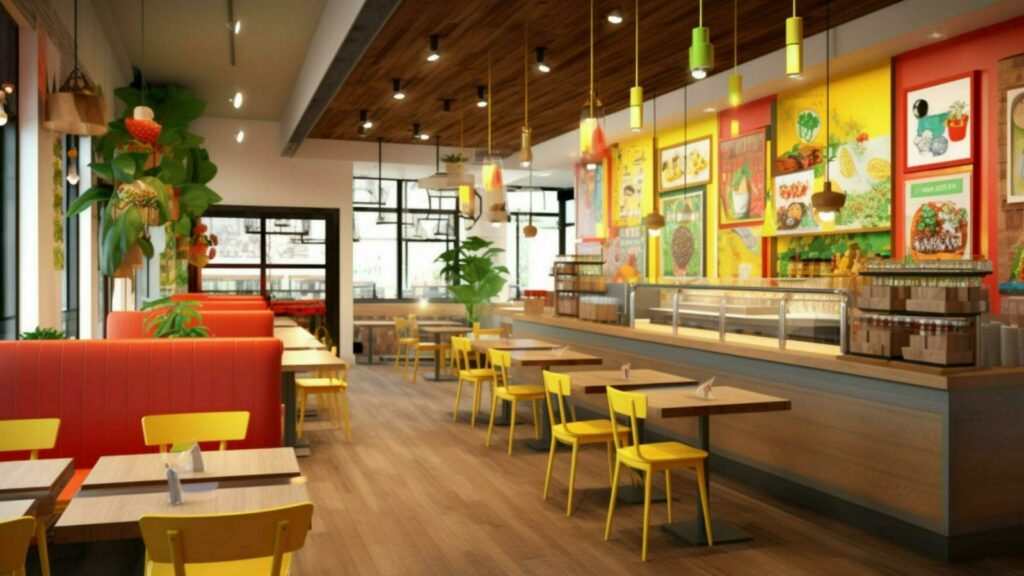
The Rise of Fast Food Restaurants in India : India a country known for its rich food culture and diverse culinary traditions, is witnessing a massive transformation in the way people dine. Over the last two decades, fast food restaurants in India have evolved from being a novelty to becoming an integral part of urban lifestyles. Global quick-service restaurant (QSR) chains and homegrown brands are competing to capture the ever-growing demand for affordable, tasty, and convenient food.
In this blog, we’ll dive deep into the rise of fast food restaurants in India, exploring key market trends, consumer behavior, challenges, and future opportunities.
A Brief History of Fast Food in India : The Rise of Fast Food Restaurants in India

The entry of global brands such as McDonald’s, Domino’s, and KFC in the 1990s marked the beginning of organized fast food in India. Before that, local street food and small eateries were the go-to options for quick meals. With liberalization in the 1990s, multinational fast food chains tapped into the Indian market and adapted their menus to suit local tastes, such as vegetarian options and spiced-up flavors.
Over the years, homegrown fast food chains like Haldiram’s, Bikanervala, Wow! Momo, and Faasos have gained popularity, proving that Indian flavors can successfully compete with global giants.
Current Trends in the Indian Fast Food Industry : The Rise of Fast Food Restaurants in India
- Rapid Urbanization – With more people moving to cities, there is higher demand for quick, affordable, and accessible food options.
- Youth-Driven Market – India has a young population, and millennials & Gen Z prefer experimenting with global cuisines and fast food.
- Digital Ordering & Food Delivery – Apps like Swiggy and Zomato have revolutionized food consumption, making fast food more accessible.
- Fusion Foods – Brands are innovating with fusion dishes, combining Indian spices with international formats (e.g., paneer pizza, masala burgers).
- Health-Conscious Options – Salads, whole wheat bases, grilled options, and vegan menus are gaining traction.
- Tier 2 & Tier 3 Expansion – Beyond metros, QSRs are rapidly expanding into smaller cities. Factors Driving the Growth of Fast Food Restaurants
- Changing Lifestyles – Busy work schedules and dual-income families prefer quick meals.
- Affordable Pricing – Value meals and budget-friendly combos make fast food accessible.
- Menu Customization – Vegetarian, Jain, and spice-level preferences attract more customers.
- Youth Culture & Socializing – Cafés and fast food outlets are social hubs for students and professionals.
- Technology & Online Presence – Loyalty programs, digital wallets, and app-exclusive discounts encourage repeat orders. Challenges Faced by the Indian Fast Food Industry
There are several challenges facing the industry, even as it is booming.
- Health Concerns – Rising awareness about obesity and junk food consumption.
- Intense Competition – Both international and local players are competing for market share.
- Rising Costs – Inflation and raw material price hikes affect menu pricing.
- Regulatory Issues – Compliance with FSSAI food safety standards and labeling requirements.
- Cultural Barriers – Regional taste preferences vary widely across India. Future of Fast Food in India
The Indian fast food industry is expected to grow at a CAGR of over 10% in the coming years. Technology will play a crucial role, with AI-driven personalization, robotic kitchens, and eco-friendly packaging becoming mainstream.
The future will also see: The Rise of Fast Food Restaurants in India
- More plant-based and vegan options.
- Growth of cloud kitchens.
- Focus on sustainable packaging.
- Expansion into smaller cities and towns.
- Increased demand for healthy yet affordable fast food. 20 FAQs About Fast Food Restaurants in India
Q1. When did fast food restaurants start becoming popular in India?
Fast food became popular in the 1990s with the entry of McDonald’s, Domino’s, and KFC.
Q2. Which is the first international fast food chain in India?
McDonald’s was one of the first major international QSRs to enter India in 1996.
Q3. What are some popular fast food chains in India?
Domino’s, McDonald’s, KFC, Burger King, Pizza Hut, Subway, Wow! Momo, Haldiram’s, and Faasos.
Q4. Why is fast food growing so rapidly in India?
Due to urbanization, busy lifestyles, affordability, and the influence of global food culture.
Q5. What role do food delivery apps play in the fast food industry?
Swiggy and Zomato have made fast food more accessible, driving massive growth.
Q6. How has fast food adapted to Indian tastes?
By adding vegetarian, Jain, and spicy menu options like paneer burgers and masala pizzas.
Q7. Are fast food restaurants only popular in metros?
No, they are expanding rapidly in Tier 2 and Tier 3 cities as well.
Q8. Is fast food affordable for middle-class Indians?
Yes, value meals, combos, and discount offers make it affordable.
Q9. Which Indian fast food chains are successful?
Wow! Momo, Faasos, Haldiram’s, Bikanervala, and Goli Vada Pav.
Q10. What challenges does the fast food industry face in India?
Health concerns, competition, rising costs, and cultural diversity in taste preferences.
Q11. What is the market size of the Indian fast food industry?
It is valued at over USD 50 billion and growing steadily.
Q12. What kind of fast food is most popular in India?
Pizza, burgers, fried chicken, rolls, and momos are highly popular.
Q13. Do Indians prefer international fast food over local street food?
Both coexist, but younger generations prefer branded fast food for hygiene and convenience.
Q14. How do fast food restaurants maintain hygiene?
By following FSSAI standards, regular audits, and strict food safety protocols.
Q15. Are there healthy fast food options in India?
Yes, grilled, baked, vegan, and salad-based options are now available.
Q16. How important is customization in Indian fast food menus?
Very important, as regional dietary and cultural preferences play a huge role.
Q17. What role does pricing play in the success of fast food?
Affordable pricing attracts the mass market and increases repeat orders.
Q18. Do fast food restaurants in India offer home delivery?
Yes, home delivery is a major growth driver, supported by apps like Swiggy and Zomato.
Q19. What is the future of fast food in India?
The future includes tech-driven kitchens, cloud kitchens, plant-based food, and sustainable packaging.
Q20. Will fast food replace traditional Indian food?
No, but it complements traditional cuisine by offering convenience and variety.